Advocacy in Action: Successful NGO Campaigns for Human Rights

Advocacy is at the heart of the human rights movement. Through persistent campaigning, coalition-building, and public engagement, non-governmental organizations (NGOs) have made real progress in challenging injustice, changing laws, and empowering marginalized communities. By studying successful campaigns, we can understand what makes advocacy effective and how NGOs can adapt these strategies in diverse contexts.

The Role of NGOs in Protecting Refugee Rights

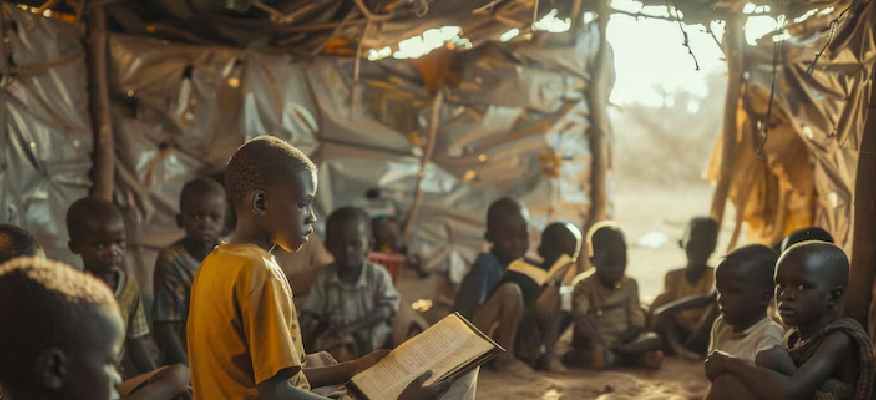
The global refugee crisis continues to grow, with over 114 million forcibly displaced people worldwide as of 2024. Refugees face serious threats to their basic rights, including the right to safety, legal protection, education, healthcare, and a dignified life. In this complex and often politicized landscape, non-governmental organizations (NGOs) play a vital and multifaceted role…

NGOs and Child Protection: Ensuring Safe Spaces for Vulnerable Children

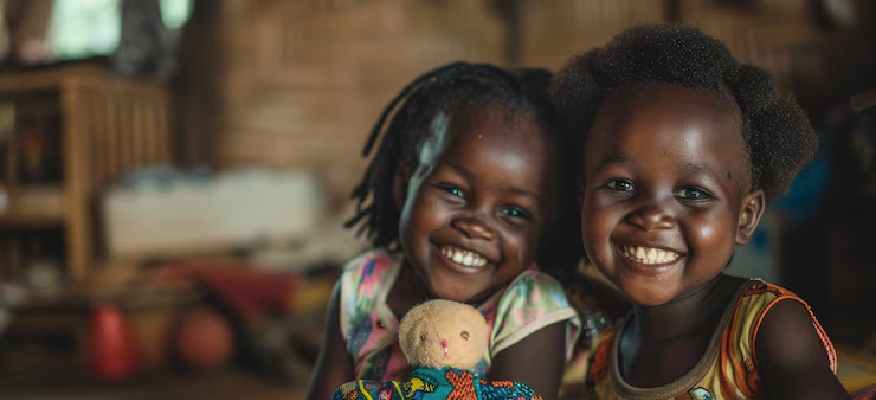
Non-governmental organizations (NGOs) play a vital role in protecting children, especially those exposed to violence, exploitation, neglect, and abuse. In contexts where state systems are weak, underfunded, or complicit in rights violations, NGOs step in to provide critical services and advocacy. Their work is essential to creating safe, nurturing environments that uphold the rights of…

Fighting for Freedom of Expression: The Role of NGOs

Freedom of expression is a cornerstone of democratic societies and a fundamental human right enshrined in international law, including Article 19 of the Universal Declaration of Human Rights. It empowers individuals to share ideas, seek information, and hold power to account. Yet, this right is increasingly under threat around the world—from censorship laws to online surveillance and the criminalization of journalists and dissenters.

The Future of Human Rights Advocacy: Trends and Challenges

As the global landscape evolves, so too does the nature of human rights advocacy. While new technologies and global movements offer unprecedented opportunities for progress, advocates face mounting challenges—from digital authoritarianism to shrinking civic spaces. The future of human rights advocacy will depend on how effectively NGOs, grassroots actors, and international institutions adapt to emerging realities while staying grounded in principles of justice, equity, and inclusion.

Building Alliances: The Power of Collaborative Advocacy Campaigns

Collaborative advocacy campaigns—where multiple organizations, movements, and communities join forces—have become a powerful strategy for advancing human rights, social justice, and policy change. When NGOs, grassroots groups, and other stakeholders work together, they amplify their reach, share resources, and strengthen their impact. In an increasingly interconnected world, alliance-building is not just beneficial—it’s essential.

Raising Awareness on Indigenous Rights: A Guide for NGOs

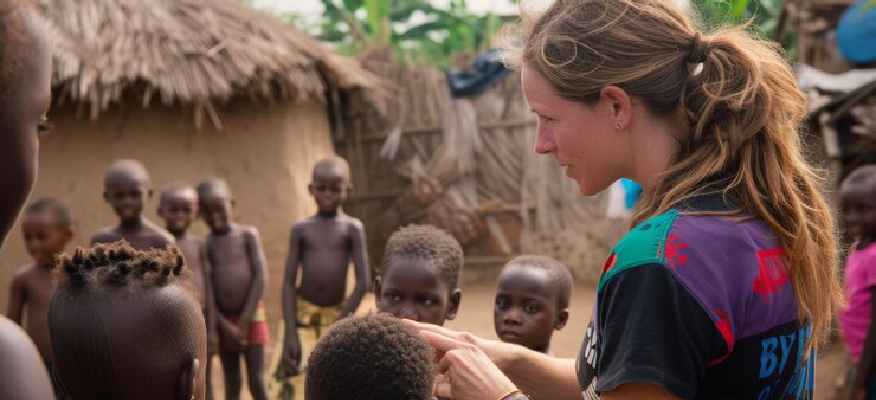
Non-governmental organizations (NGOs) play an essential role in raising awareness and advocating for the rights of Indigenous peoples, who often face systemic discrimination, land dispossession, and cultural erasure. Effective awareness campaigns require culturally sensitive approaches, community involvement, and long-term commitment. This guide outlines practical strategies NGOs can use to raise awareness and promote the rights of Indigenous peoples locally and globally.

The Intersection of Technology and Human Rights: How NGOs Are Leveraging Digital Tools

Technology is transforming how non-governmental organizations (NGOs) promote and protect human rights. From documenting abuses to mobilizing communities, digital tools offer powerful ways for NGOs to expand their reach, increase efficiency, and strengthen advocacy efforts. However, the use of technology also presents new challenges, such as surveillance, misinformation, and digital security threats. Here’s how NGOs are leveraging technology—and managing its risks—at the intersection of digital innovation and human rights work.

Human Rights Defenders: Overcoming Obstacles in the Field

Human Rights Defenders (HRDs) are individuals or groups who act to promote or protect human rights through peaceful means. They include activists, journalists, lawyers, community leaders, and even ordinary citizens standing up for justice. Despite their essential role in advancing global human rights, HRDs often face severe challenges, particularly in hostile environments. Overcoming these obstacles requires resilience, international support, and strategic action.